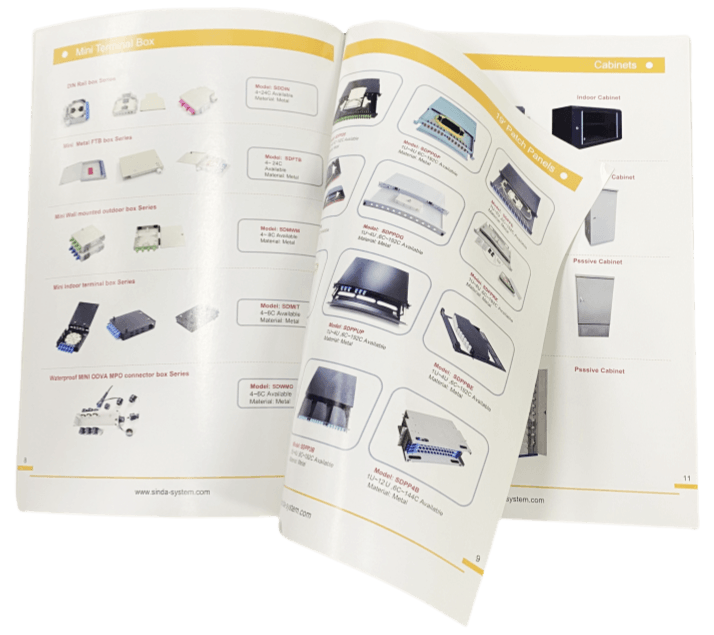

In today's fast-paced digital world, the demand for high-speed, reliable internet connectivity is skyrocketing. Fiber to the Home (FTTH) networks have emerged as the gold standard for meeting these demands, providing unparalleled bandwidth and speed directly to residential and commercial premises. A critical component in building an efficient and scalable FTTH network is the Fiber Distribution Box (FDB). Choosing the right FDB can significantly impact the performance, longevity, and maintenance of your optical network.
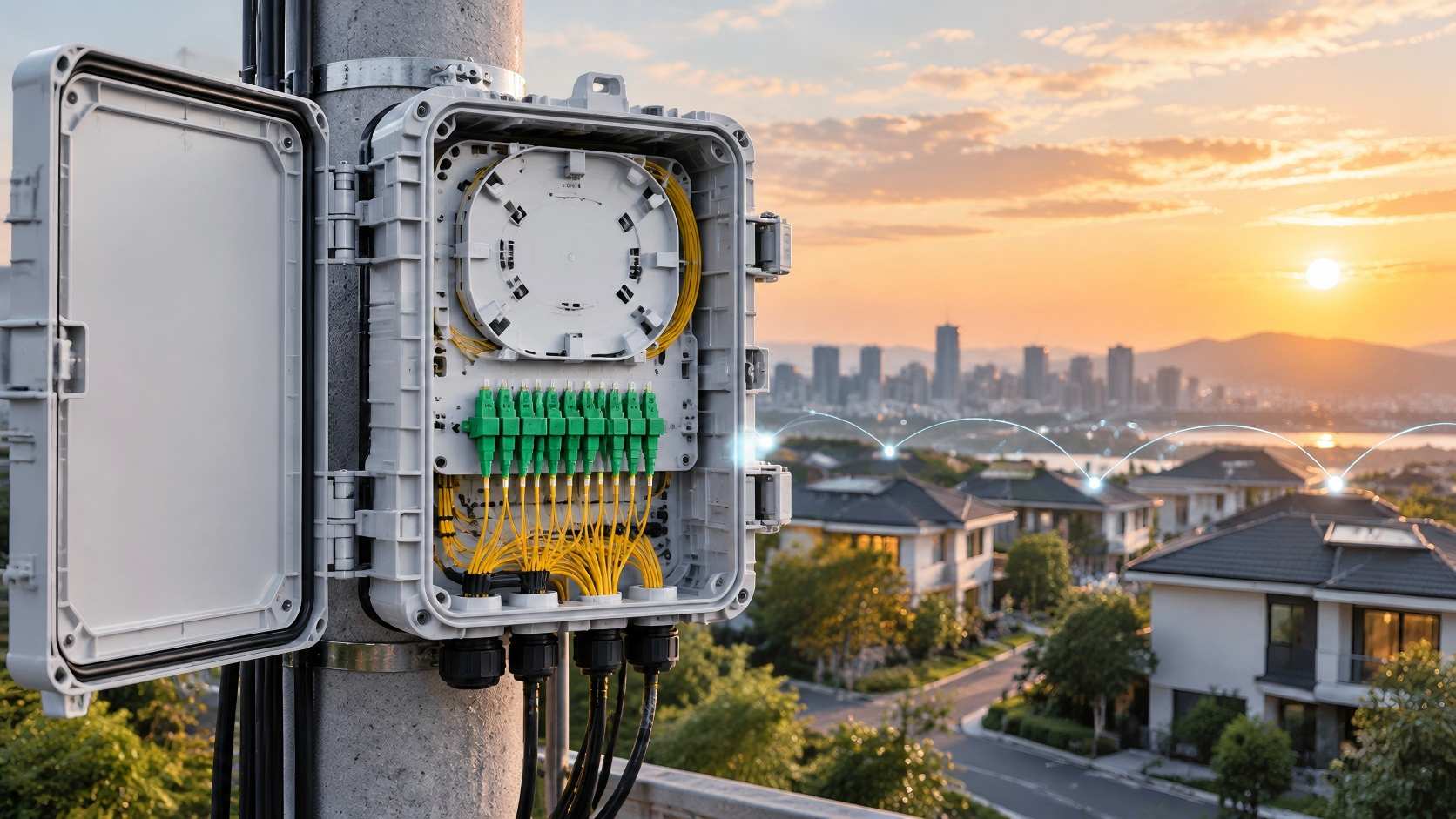
High-performance Fiber Distribution Box for efficient FTTH network deployment.
This guide will walk you through the essential factors to consider when selecting an FTTH Fiber Distribution Box, with insights tailored for network engineers, installers, and procurement managers looking for top-tier solutions from industry leaders like Sinda Optic.
A Fiber Distribution Box, often referred to as a termination box or optical network client wiring equipment, serves as the central hub where the main feeder cable is split and connected to individual drop cables leading to user premises. It performs several crucial functions:
The first step is determining the number of subscribers or connections the box needs to support. FDBs come in various capacities. For smaller residential setups or specific floor distributions, a smaller box might suffice. However, for larger MDUs (Multi-Dwelling Units) or dense neighborhoods, a higher capacity is necessary.
Sinda Optic offers versatile options, such as the 8/12/16/24/32 cores fiber distribution box, which provides the flexibility to scale based on your specific network client FTTH wiring equipment requirements. When planning your network, it's wise to choose a box with slightly more capacity than currently needed to accommodate future expansion without replacing the entire unit.
Where the box will be installed heavily influences the type you should buy.
Modern FTTH networks often utilize pre-connectorized solutions to speed up deployment and reduce labor costs. For rapid deployment, especially in FTTA (Fiber to the Antenna) or outdoor FTTH scenarios, a fast-connect enclosure sealed mechanically is highly advantageous.
Boxes that are OptiTap compatible Fiber Access Terminal Box models allow for quick plug-and-play connections without the need to open the box, saving significant time during installation and maintenance. Ensure the box is compatible with the adapters and splitters you plan to use.
The material of the distribution box dictates its durability. High-quality ABS plastic or PC+ABS blends are commonly used for their excellent impact resistance, UV protection, and flame retardant properties. Sinda Optic's products utilize these high-grade materials, ensuring long-term protection.
Based in Shenzhen, China, SINDA Optic Technology Co., Ltd. has over 15 years of experience in researching, designing, and manufacturing fiber optic products. Choosing Sinda Optic guarantees:
Indoor boxes are designed for controlled environments and focus on compact size, often lacking heavy weatherproofing. Outdoor boxes are built ruggedly with high IP ratings (like IP65/IP68) to withstand harsh weather conditions, UV rays, moisture, and dust.
An OptiTap compatible box is designed to work with hardened, pre-connectorized drop cables. This allows technicians to connect subscribers quickly by plugging the cable into the outside of the box, eliminating the need to open the enclosure for time-consuming field splicing.
The number of cores depends on how many subscribers you plan to connect from that location, plus room for future expansion. It is always recommended to choose a box with a slightly higher capacity (e.g., opting for 16 cores instead of 8) to easily accommodate new users later.
 NO.4007,Peanut U Gu Creative Park , No.57 GuangDa Rd,LongGang Zone, Shenzhen city, China.


 Derechos de autor
@ 2026 Shenzhen Sinda Optic Technology Co.,ltd Reservados todos los derechos.
Derechos de autor
@ 2026 Shenzhen Sinda Optic Technology Co.,ltd Reservados todos los derechos.
 RED SOPORTADA
 español
 English
 العربية
 Kiri Shigawara